-

The AI-Driven Cyber Threat: How Smart Tools Are Being Used for Deception and Damage
Artificial intelligence is changing how cyberattacks are planned and executed. Instead of just speeding up old methods, AI is now enabling scammers to create realistic fake content—videos, audio, text—that look and sound like real people. These deepfakes aren’t science fiction anymore. Criminals are using AI to build convincing fake messages, impersonate trusted contacts, and spread…
-
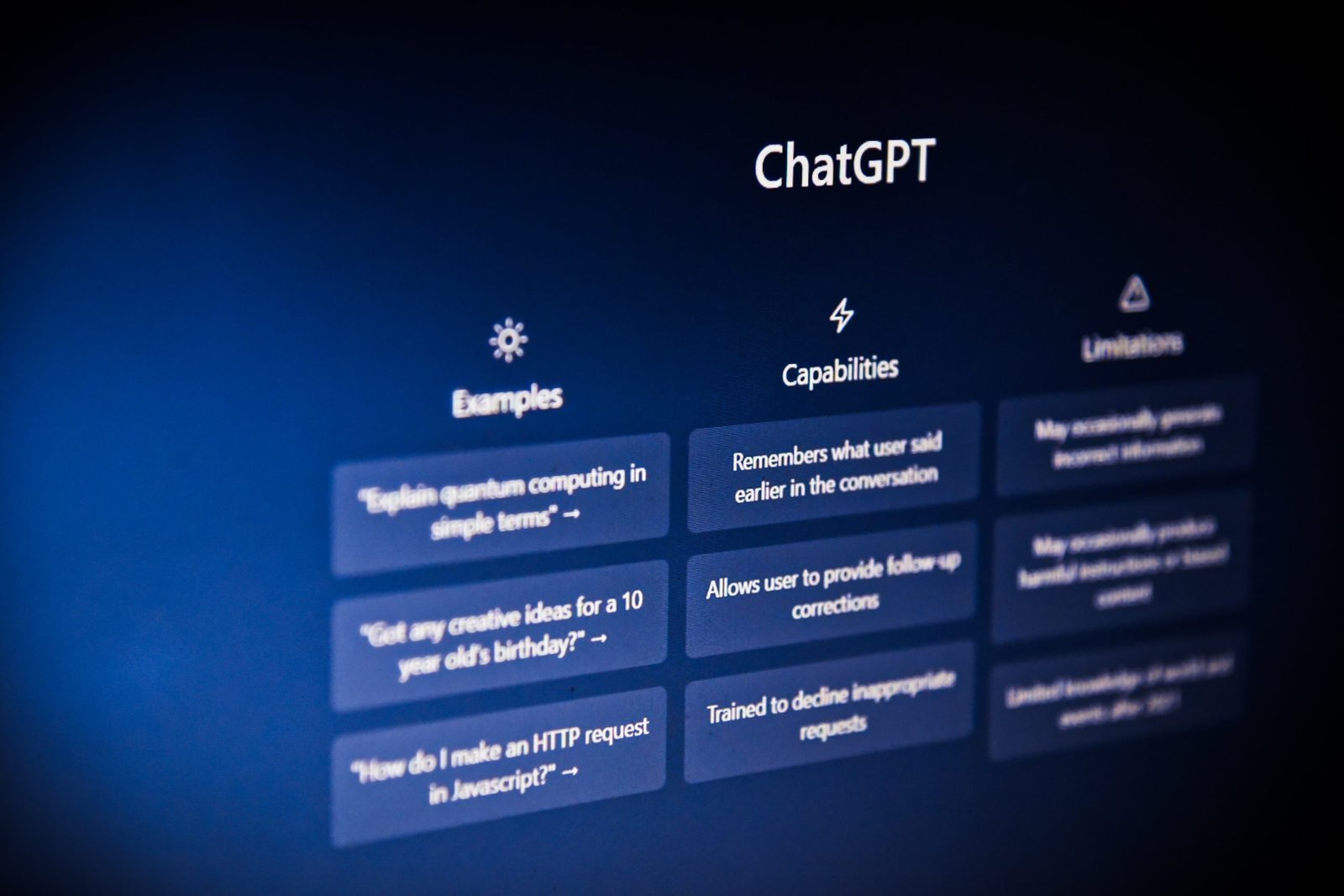
The Hidden Cost of Conversational AI: What’s Really Happening to Your Data?
Chatbots like ChatGPT are now part of everyday life — quick answers, creative ideas, even drafting emails. But behind the convenience is a less obvious truth The data collection isn’t just opaque — it’s also legally shaky. OpenAI and other companies built these models without asking people for permission. No one gets a say in…
-

The Rise of Chat-Based Search: How AI is Changing How We Find Answers
We’re no longer just typing keywords into search engines and waiting for a list of links. Now, AI-powered tools respond to questions in real time—like a conversation. This shift means the system doesn’t just match words; it tries to understand what you really mean. For instance, asking about “local restaurants” might trigger the AI to…
-
AI’s Hidden Bias: How Language Models Are Eroding Linguistic Diversity
ChatGPT and similar tools can write, translate, and even mimic creative voices with impressive fluency. But behind that polish is a quiet problem We’re not just using AI to write emails or ads—we’re letting it shape how we think about language. And if the data it’s trained on is skewed, so will its outputs. The…
-

Democratizing Software Creation: How No-Code Platforms Are Changing the Game
For years, building software meant knowing code. That barrier kept startups, small teams, and even internal staff from creating tools that solved real problems. Now, no-code platforms are breaking that mold. These tools let people without any programming background build full applications—like customer portals, order systems, or internal dashboards—using simple visual interfaces. Instead of writing…
-

Silent Mining: How Your Computer Might Be Working for Someone Else Without You Knowing
You might not notice it, but your computer could be quietly mining cryptocurrency—using your processor and battery life—without your permission. This isn’t about stealing money from your bank account. It’s cryptojacking, a type of cyberattack where hackers use your device’s computing power to run mining operations in the background. They don’t need fancy hardware. Instead,…
-

Protecting Personal Data in the Age of Biomedical Research
We’re now storing personal health data — genetic info, medical histories, habits from wearables — in digital systems used for everything from treatment to research. That data is valuable, and it’s also a prime target. Just hiding a name isn’t enough. Hackers can piece together identities using data from different sources. The real danger isn’t…
-

The Algorithmic Shield: How AI Is Strengthening Cybersecurity Defenses
Cyberattacks are getting smarter and more common. Organizations are drowning in alerts—thousands every day—most of which are false positives. Human analysts can’t keep up. They’re overwhelmed by the sheer volume of data, and even when they spot something suspicious, it’s often too late. That’s where AI comes in. It doesn’t just watch logs. It learns…
-

The Silent Danger: How Your Online Data Powers Cyberattacks
Every time you post on social media, leave a review, or share a thought online, you’re not just talking to friends—you’re handing over clues. Cybercriminals aren’t just guessing passwords anymore. They’re digging through public posts, forum comments, and even old reviews to build a picture of who you are and what you do. That data…
-

Cybersecurity Isn’t Just for Corporations – It’s a Matter of Everyday Safety
Cyberattacks aren’t just a problem for big tech or government agencies anymore. They’re hitting individuals, small businesses, and essential services—from hospitals to water systems—often with real-world consequences. Attacks on critical infrastructure don’t just slow things down; they can put people in danger. A hospital under siege might not get timely care. A water plant compromised…